If you work with lyophilized peptides in a laboratory, you already know the first practical step matters most: getting a dry peptide back into solution safely. That step is reconstitution, and the liquid most researchers reach for is bacteriostatic water for peptides. This guide walks through what it is, why the 0.9% benzyl alcohol matters, how to do it cleanly, and the small mistakes that quietly ruin a batch.
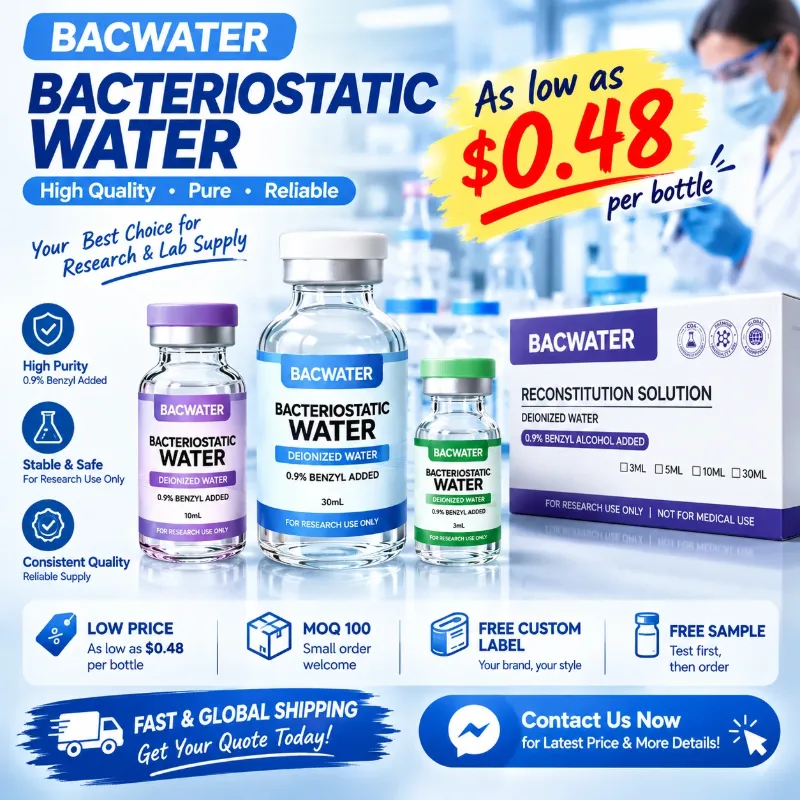
A sterile multi-dose vial of bacteriostatic water for peptides, ready for reconstitution in a research setting.
What Is Bacteriostatic Water for Peptides?
Bacteriostatic water is sterile water that contains a small amount of a preservative — almost always 0.9% benzyl alcohol. The preservative does one job: it stops bacteria from multiplying if the vial is opened more than once. That is what makes it a multi-dose solution, and it is exactly what you need when you plan to draw from the same vial over several days.
For peptide work, this matters for a simple reason. Peptides are often supplied as a dry powder, and you rarely use the entire reconstituted amount in a single session. A preservative-free vial would need to be used immediately. With bacteriostatic water for peptides, the remaining solution stays viable for repeated, measured draws.
Why Benzyl Alcohol Content Matters
Benzyl alcohol is a mild antimicrobial preservative. At 0.9%, it keeps a multi-dose vial stable between uses without interfering with the peptide itself in the vast majority of research applications. Here is the practical distinction to keep in mind:
- Bacteriostatic water — contains 0.9% benzyl alcohol, safe for multi-dose use, standard choice for peptide reconstitution.
- Sterile water for injection — no preservative, single-use only, used when preservatives must be avoided entirely.
For most peptide reconstitution work, bacteriostatic water is the correct default. The preservative extends usable life, which matters when a research protocol spans multiple dosing days.
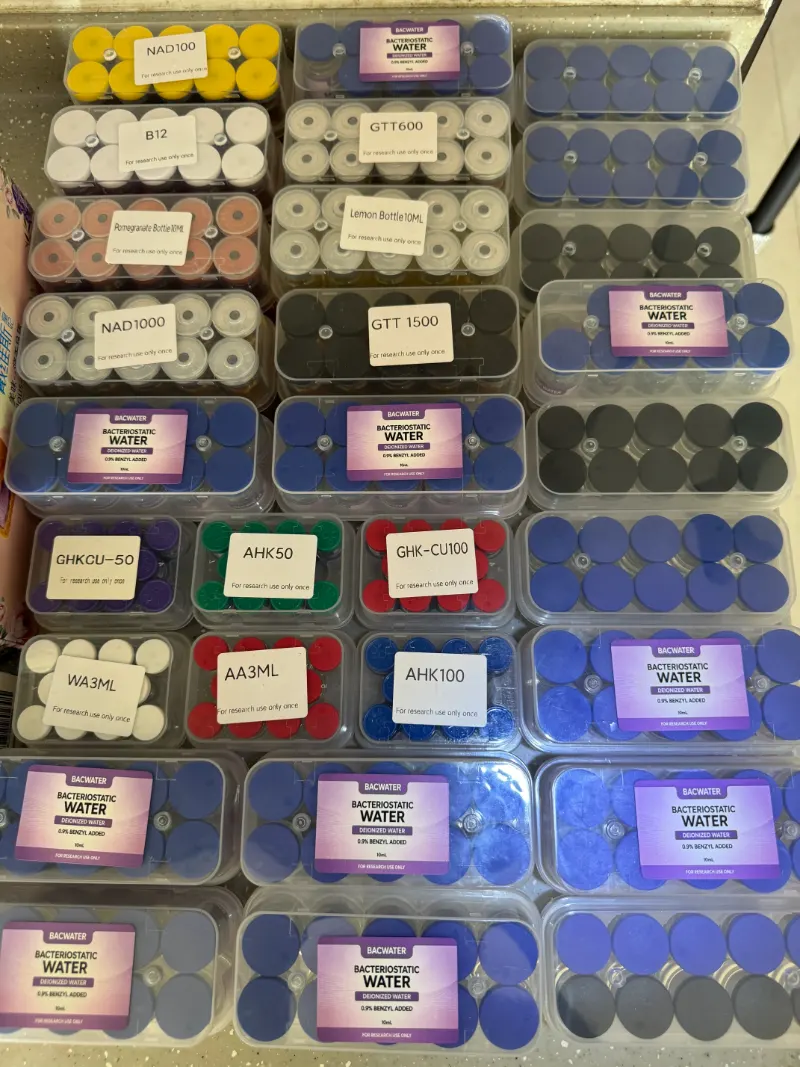
Reconstituting lyophilized peptide powder with bacteriostatic water for peptides using sterile technique.
Choosing a Vial Size for Your Protocol
Bacteriostatic water is sold in several common sizes, and the right one depends on your protocol rather than on habit. Here is how the sizes break down in practice:
| Vial Size | Best For | Typical Use |
|---|---|---|
| 3ml | Single peptide, short protocol | Low-volume reconstitution |
| 5ml | One or two peptides | Standard research doses |
| 10ml | Multiple draws | Extended protocols |
| 30ml | High-volume / multi-peptide work | Bulk and wholesale |
A 3ml vial is a clean choice when you want to reconstitute one peptide and use it within a short window — less leftover solution, less waste. For labs running multiple peptides or repeated draws, a larger 30ml vial is often more economical per draw.
Reconstitution: A Step-by-Step Workflow
Consistency in technique protects both the peptide and your data. A clean, repeatable process looks like this:
- Gather supplies. Bacteriostatic water, sterile syringes and needles, alcohol wipes, and the lyophilized peptide vial.
- Clean the tops. Wipe the rubber stopper of both vials with an alcohol wipe and let them dry.
- Draw the water. Pull your calculated volume of bacteriostatic water into the syringe.
- Add slowly. Inject the water gently down the side of the peptide vial, not directly onto the powder.
- Swirl, don't shake. Roll or swirl the vial to dissolve. Vigorous shaking can damage delicate peptide chains.
- Store properly. Once reconstituted, refrigerate according to the peptide's stability guidance.
Getting the Dose Math Right
The most common reconstitution error is not technique — it is arithmetic. The relationship is straightforward once you write it down:
- If you add 1ml of water to a 5mg peptide, each 0.1ml (10 units) contains 0.5mg.
- If you add 2ml to that same 5mg peptide, each 0.1ml contains 0.25mg.
Decide on your target concentration first, then work backward to the volume of water you need to add. This one habit eliminates most dosing confusion in a research workflow.
Storage and Shelf Life Basics
Unopened bacteriostatic water is stable at controlled room temperature. Once a vial is punctured, the 0.9% benzyl alcohol begins doing its work, but standard lab guidance recommends using an opened vial within about 28 days and keeping it clean between draws. Reconstituted peptides are a different matter — most should be refrigerated and used on the timeline specified for that specific peptide, since stability varies from one molecule to the next.
What to Look For in a Quality Vial
When sourcing bacteriostatic water for peptides, a few details separate a reliable supply from a risky one:
- Clearly stated preservative content. You should be able to confirm 0.9% benzyl alcohol on the label.
- Consistent fill volume. Under-filled or over-filled vials suggest poor quality control.
- Intact, tamper-evident packaging. The stopper and seal should be clean and undamaged.
- Traceable sourcing. A supplier that states its manufacturing and quality standards is easier to trust.
For researchers who reconstitute peptides regularly, buying in multi-pack quantities — such as a 3ml bacteriostatic water 10-pack — keeps the workflow uninterrupted without overpaying for single vials.
Common Mistakes That Compromise a Batch
Most failures in peptide reconstitution trace back to a handful of preventable errors:
- Shaking the vial instead of swirling, which can damage the peptide structure.
- Injecting water directly onto the powder rather than down the side of the vial.
- Skipping the alcohol wipe and introducing contamination at the puncture site.
- Guessing the dose instead of calculating concentration from the start.
- Using preservative-free water for a multi-day protocol that needs repeated draws.
None of these are complicated to fix, but each one can quietly invalidate an otherwise careful experiment.
When Bacteriostatic Water Is the Right Choice
Bacteriostatic water is the standard choice whenever you need a multi-dose, preservative-protected solution for reconstituting peptides. It is widely used across peptide research, including common molecules like SNAP-8 peptide research solution and GHK-Cu copper peptide. If your protocol draws from a vial more than once, the preservative content is what keeps the remaining solution safe between sessions.
Bottom Line
Reconstitution looks simple, and in many ways it is — but the details decide the outcome. Choose bacteriostatic water for peptides with a clearly labeled 0.9% benzyl alcohol content, use clean technique every single time, and do your concentration math before you touch a syringe. When those three habits are in place, the rest of the workflow tends to fall into line.
If your lab is sourcing bacteriostatic water or reconstitution supplies in research quantities, we are happy to help with sizing and wholesale options. Reach out on WhatsApp for a quote, and mention your vial size and expected monthly volume so we can point you to the most economical fit.