Is a 5ml Vial the Right Fit for Your Research?
When you reconstitute peptides for laboratory research, vial size matters more than most people realize. A bacteriostatic water 5ml vial sits in a practical middle ground: large enough to support several draws, yet small enough to reduce waste when you only need a few milliliters at a time. If you have been reaching for 30ml bottles and throwing away most of the contents, a smaller vial may be exactly what your workflow needs.
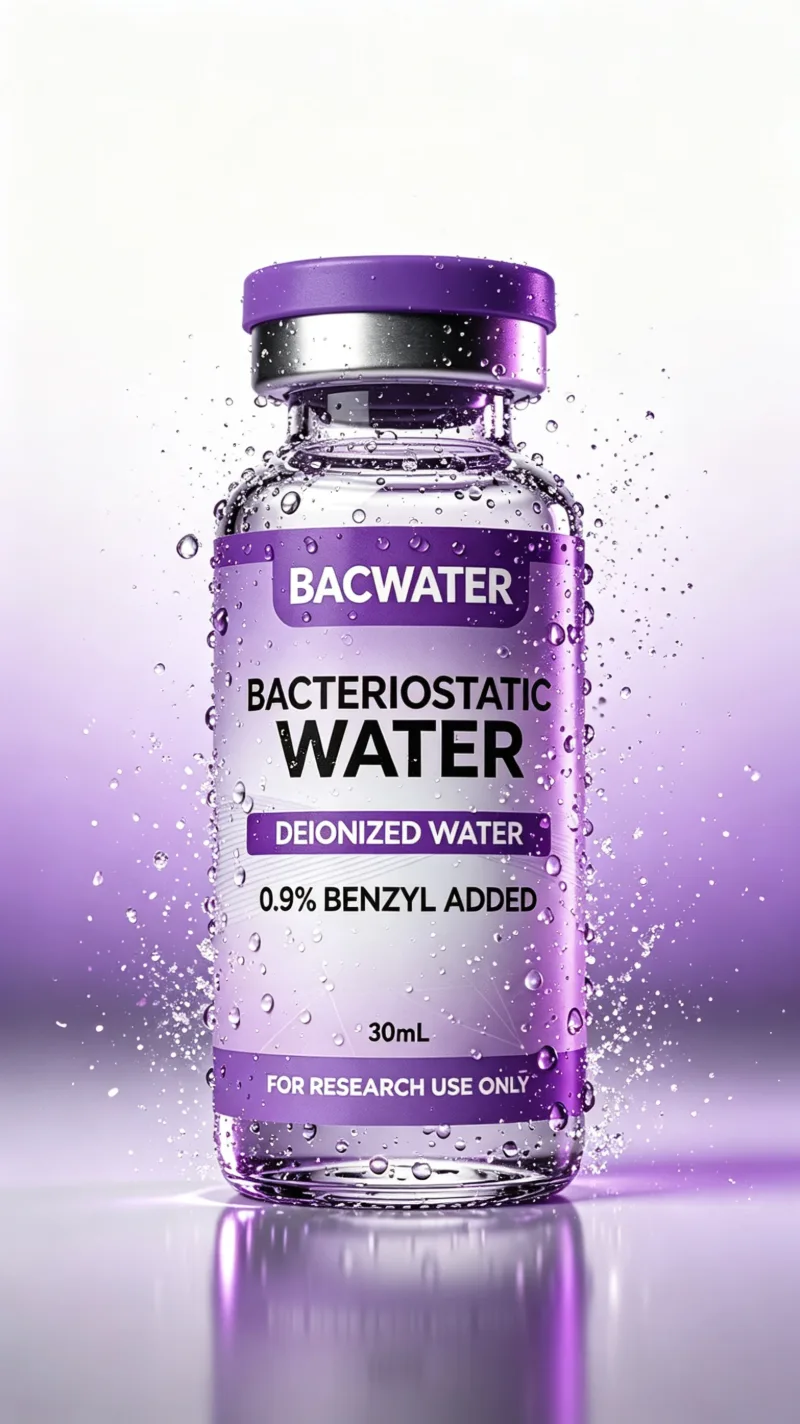
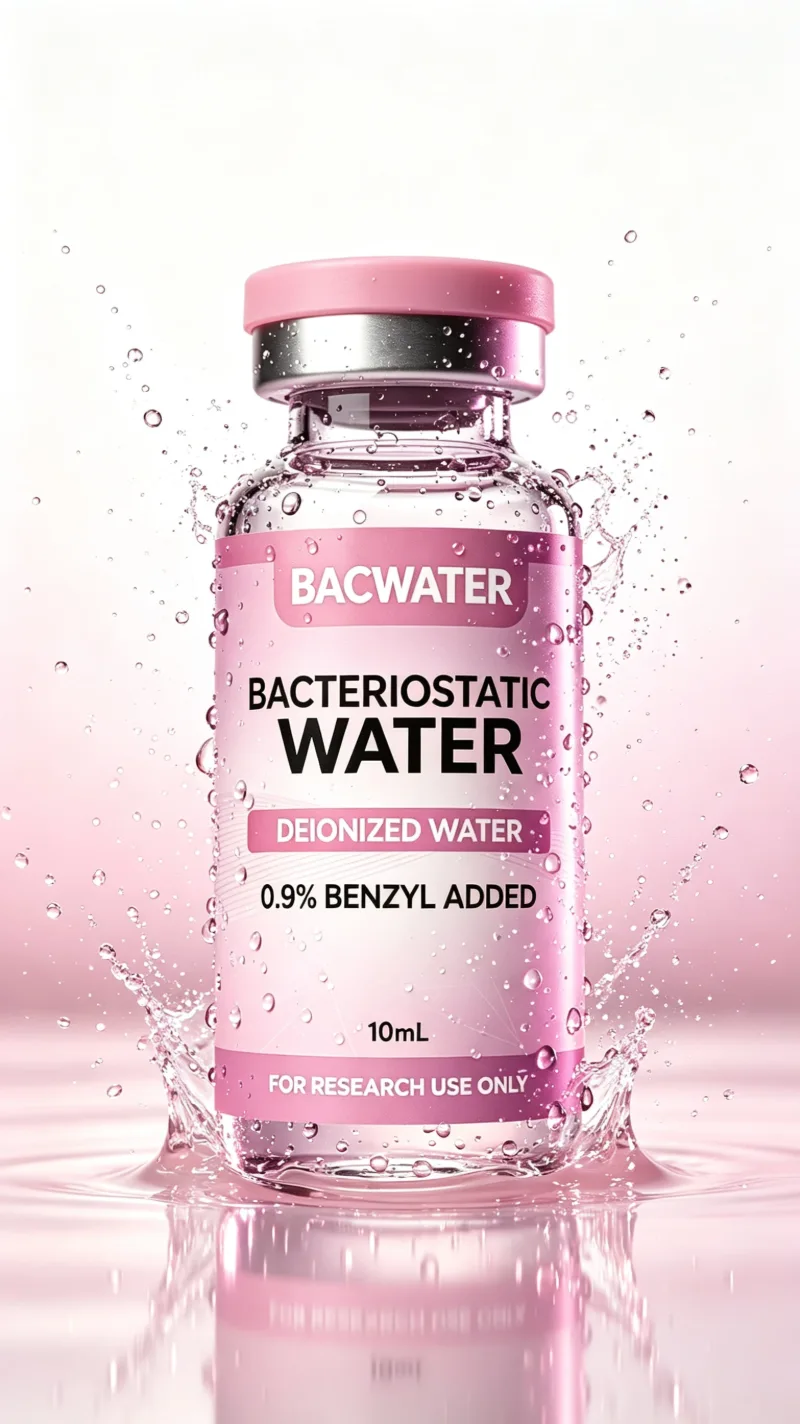
Figure 1: A compact 5ml bacteriostatic water vial is a practical choice for small-batch reconstitution and short research protocols.
In this guide, we will walk through how 5ml vials compare to other sizes, when they make the most sense, and what to look for when you source them. The goal is to help you pick a size that keeps your work clean, accurate, and cost-effective.
How a 5ml Vial Compares to 3ml and 30ml
Choosing a vial size is really a question of how much you reconstitute per session. Here is a quick side-by-side look at the most common sizes.
| Vial Size | Best For | Typical Use Case |
|---|---|---|
| 3ml | Single-use, very small batches | One peptide, one draw, minimal waste |
| 5ml | Small-batch, multi-draw protocols | A few doses or samples from one vial |
| 30ml | High-volume, repeated reconstitution | Frequent draws across many sessions |
As the table shows, a bacteriostatic water 5ml vial gives you more flexibility than a 3ml vial without the risk of leaving a mostly full 30ml bottle sitting for weeks. For researchers who reconstitute in short, controlled runs, the 5ml size often hits the sweet spot between convenience and freshness.
When a 5ml Vial Makes the Most Sense
Not every protocol needs a large bottle. Here are the situations where 5ml tends to work best:
- You reconstitute one or two peptides per session and need only a few draws.
- You prefer to open a fresh vial often rather than reuse a large one over many days.
- You are running small controlled studies where minimizing waste and cross-contamination is a priority.
- You want a size that is easy to store and track in a crowded lab bench or cold storage.
If any of these describe your workflow, a bacteriostatic water 5ml vial is worth considering. Smaller vials also tend to stay fresher because they are used up quickly after opening, which can help support more consistent results.
What to Look for in a Quality Source
Not all vials are made to the same standard. When you evaluate suppliers, keep these points in mind:
- Preservative formulation: confirm the vial uses a standard preservative, commonly 0.9% benzyl alcohol, to inhibit microbial growth after opening.
- Sterility: look for sealed, sterile vials intended for reconstitution and injection preparation.
- Clear labeling: the concentration, volume, and storage instructions should be printed clearly on each vial.
- Consistent packaging: multi-packs should arrive intact, with every vial individually sealed.
Checking these details up front saves you from surprises later. A dependable supplier will make the formulation and packaging information easy to verify before you order.
Storage and Handling Tips
How you store a vial affects how well it works. Follow these simple habits to get the most from every vial:
- Store unopened vials in a cool, dry place away from direct light.
- Once opened, use the contents within the manufacturer's recommended window.
- Use aseptic technique on every draw, and do not reuse single-use syringes or needles.
- Label opened vials with the date so you always know how long they have been open.
These habits are easy to adopt and go a long way toward keeping your reconstitution work clean and reproducible.
Choosing Between Sizes for Your Lab
There is no single "right" size for everyone. The best choice depends on your volume, your protocol length, and how you prefer to manage freshness and waste. If you frequently run small batches, a 5ml bacteriostatic water 10-pack lets you open a fresh vial whenever you need one. If you only need occasional single draws, a 5ml bacteriostatic water single vial may be a simpler fit.
Whatever you choose, the important thing is to match the vial size to the way you actually work. That single decision tends to improve consistency and reduce waste more than almost anything else in a reconstitution workflow.
Summary
A bacteriostatic water 5ml vial is a strong option for researchers who work in small batches and value freshness. It offers more capacity than a 3ml vial and less waste than a 30ml bottle, making it a versatile middle ground for many protocols. Focus on preservative formulation, sterility, and clear labeling when you source, and follow basic storage habits to keep results consistent.
If you are sourcing vials for peptide research and want to confirm sizing, packaging, or availability for your specific workflow, feel free to reach out on WhatsApp and we can help you match the right product to your protocol.