Bacteriostatic Water for Injection: Uses, Sizes, and How to Pick the Right Vial
Bacteriostatic water for injection is one of those supplies researchers reach for constantly, yet rarely stop to think about. It is sterile water with a small amount of benzyl alcohol added, and it shows up in labs everywhere for reconstituting and diluting compounds. If you have ever ordered the wrong vial size or grabbed a multi-dose option when you needed single-use, you know how much the details matter.
This guide walks through what bacteriostatic water for injection actually is, the role of the preservative, the vial sizes you will typically see, and how to choose the right specification. By the end, you should be able to order with confidence instead of second-guessing the spec sheet.
What Is Bacteriostatic Water for Injection?
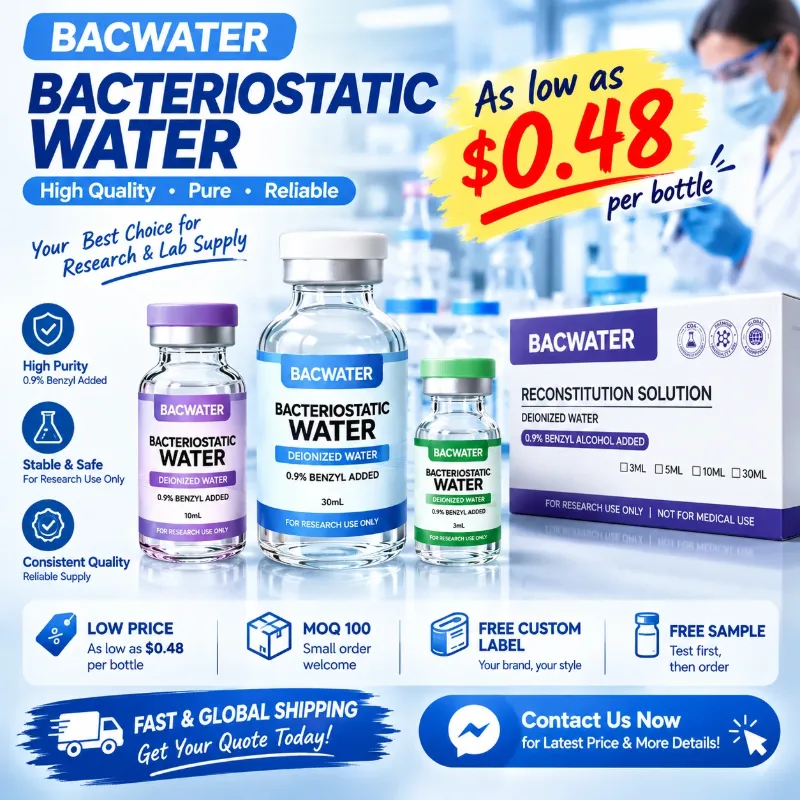
At its core, bacteriostatic water for injection is sterile, non-pyrogenic water that contains 0.9% benzyl alcohol as a preservative. The preservative is what separates it from plain sterile water: it inhibits the growth of bacteria that might otherwise get introduced when a vial is punctured more than once.
That is the key difference worth remembering:
- Sterile water for injection has no preservative and is meant for single use. Once you open it, any remainder should generally be discarded.
- Bacteriostatic water for injection contains benzyl alcohol, which lets the same vial be entered multiple times within a defined window under aseptic technique.
For researchers who reconstitute lyophilized peptides or dilute stock solutions over several sessions, that multi-dose capability is usually the reason they choose bacteriostatic water for injection in the first place.
How the 0.9% Benzyl Alcohol Preservative Works
The 0.9% benzyl alcohol concentration is the standard that makes this solution recognizable. Benzyl alcohol is a mild antimicrobial agent. It does not sterilize a contaminated vial, but it suppresses the growth of most common bacteria that could be introduced through repeated needle punctures.
Here is what that means in practice:
- The preservative slows bacterial growth, it does not eliminate it. Aseptic technique still matters every single time you enter the vial.
- The 0.9% concentration is a well-established, widely referenced specification. When you see "bacteriostatic water 0.9 benzyl alcohol" on a label, that is the standard formulation.
- Because the preservative is present, you can typically use the vial for multiple draws within a set period, following standard handling and storage guidance.
If your protocol requires an absolutely preservative-free medium, plain sterile water is the correct alternative. The preservative is the entire reason the "bacteriostatic" label exists.
Common Vial Sizes and Specifications
Bacteriostatic water for injection comes in a few standard sizes, and the right one depends on how much you go through and how quickly. The three you will see most often are 5ml, 10ml, and 30ml, with larger formats also available for high-volume labs.
| Vial Size | Best Fit | Typical Use |
|---|---|---|
| 5ml | Low-volume, occasional use | Reconstituting a single peptide vial with minimal waste |
| 10ml | Mid-volume, regular use | Reconstituting several vials or diluting small batches |
| 30ml | High-volume, frequent use | Larger reconstitution runs and multi-session workflows |
Smaller vials reduce waste if you do not reconstitute often. Larger vials are more economical per milliliter when you are going through material quickly. Matching the size to your actual throughput is the simplest way to avoid both waste and reordering delays.
Where Can You Buy Bacteriostatic Water for Injection?
If you are asking where can you buy bacteriostatic water for injection, the answer depends on your volume and your use case. Labs and research organizations typically source it through scientific supply channels that provide consistent quality and clear documentation.
For peptide research and similar laboratory work, here is what to look for in a supplier:
- Clear, consistent specifications on every product page, including the 0.9% benzyl alcohol concentration.
- Multiple vial sizes so you can match the format to your workflow rather than settling for whatever is in stock.
- Multi-pack options when you go through material regularly, which keeps per-unit cost down and avoids frequent reordering.
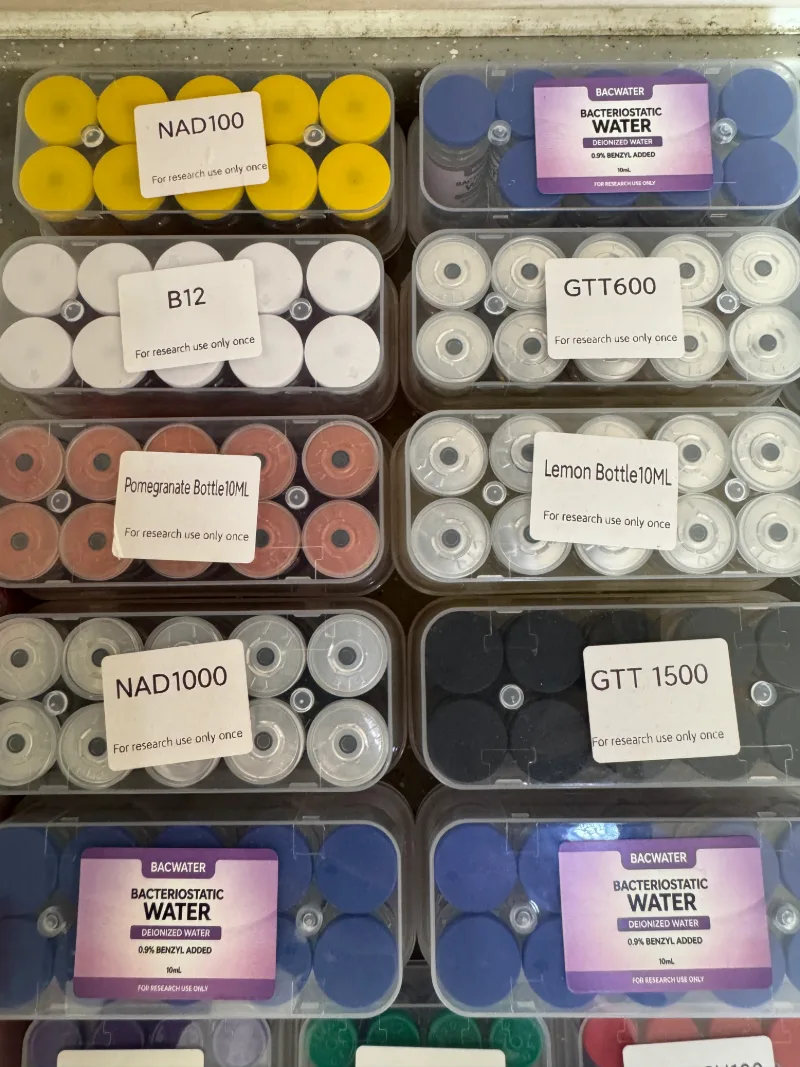
Buying in multi-packs is a common way labs manage routine supplies. A 5-pack or 10-pack of 30ml bacteriostatic water 5-pack or a 10ml bacteriostatic water 10-pack tends to be more practical than ordering single vials one at a time.
How to Pick the Right Vial for Your Workflow
Choosing between the 5ml, 10ml, and 30ml formats is not complicated once you think through a few questions.
- How much do you use per session? If you reconstitute a single vial and stop, a smaller format prevents leftover material from sitting around.
- How often do you run? Daily use favors larger vials and multi-packs. Occasional use favors smaller vials.
- What does your protocol allow? Confirm whether your procedure calls for bacteriostatic water for injection specifically, or whether preservative-free sterile water is required.
Many researchers settle on a mid-sized option like a 5ml bacteriostatic water 10-pack for everyday flexibility, then keep a larger 30ml format on hand for heavier runs. Having both on the shelf removes a lot of day-to-day friction.
Storing Bacteriostatic Water for Injection
Proper storage keeps the solution stable and the preservative effective. General guidance is to store vials at controlled room temperature, away from direct light, and to follow the manufacturer's labeling for any specific conditions.
A few practical points:
- Keep vials in their original packaging until use to protect the label and the cap.
- Use proper aseptic technique on every puncture, even though the preservative is present.
- Track your lot numbers so you can reference the right documentation when you need it.
Consistent handling is more important than any single trick. The preservative buys you flexibility, but it does not replace good technique.
Final Thoughts
Bacteriostatic water for injection is a straightforward product, but getting the specification right saves real time and waste. Know whether you need the preservative, match the vial size to your throughput, and buy from a supplier that documents its specifications clearly.
If you are stocking for a research lab or buying in volume, we supply bacteriostatic water for injection in 5ml, 10ml, and 30ml formats, in multi-packs to keep your workflow moving. Have a question about sizes, specifications, or bulk pricing? Reach out on WhatsApp and our team will help you match the right vial to your protocol.